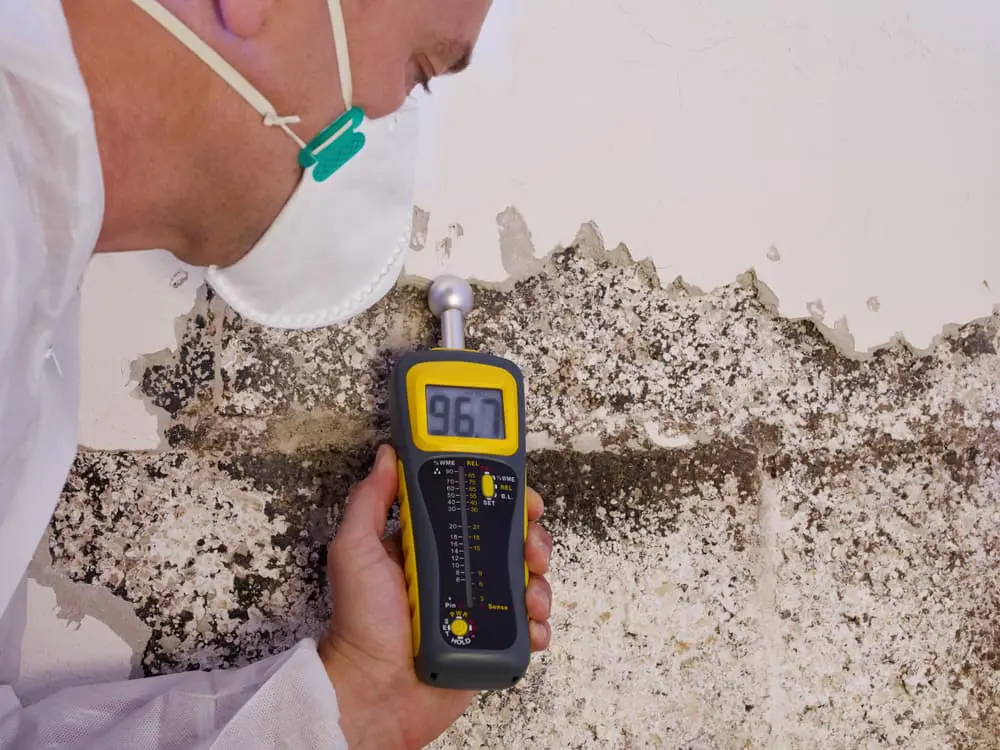
Mold isn’t always visible. It often develops behind walls, beneath flooring, or inside ceilings—spreading quietly while creating structural damage and potential health concerns. That’s why thermal imaging has become an essential tool in modern mold inspections.
What Is Thermal Imaging?
Thermal imaging, also known as infrared thermography, is a non-invasive technology that detects temperature differences on surfaces. Using specialized cameras, inspectors capture these variations and display them as color-coded images, making it easier to identify irregular patterns.
In mold inspections, these temperature shifts often point to hidden moisture—the key factor that allows mold to grow.
Why Moisture Detection Matters
Mold needs moisture to thrive. Even a minor, unnoticed leak can create the ideal conditions for growth. While traditional inspections rely on visual clues or moisture meters, those methods don’t always reveal what’s happening beneath the surface.
Thermal imaging gives inspectors the ability to:
- Identify moisture hidden behind walls and ceilings
- Detect leaks from plumbing or roofing systems
- Locate areas with poor insulation that may lead to condensation
- Pinpoint problem areas before visible mold develops
By uncovering these hidden issues early, thermal imaging helps prevent more serious mold problems and reduces the risk of costly repairs or remediation later on.