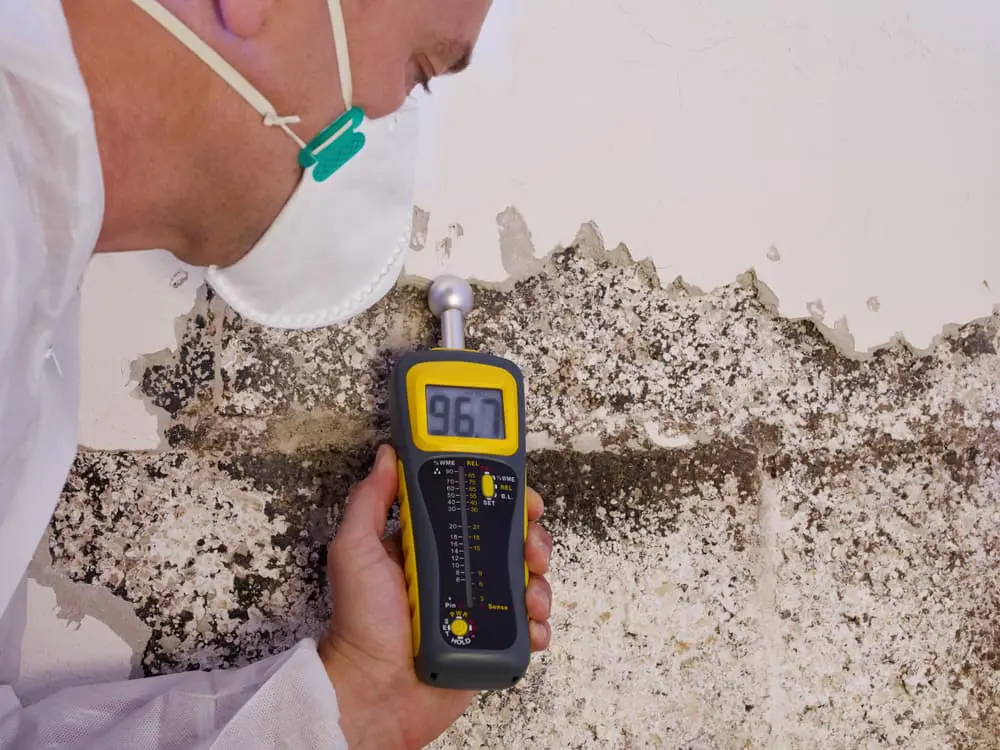
Tape testing is a straightforward yet highly reliable method used in mold inspections to identify mold growth on surfaces. When inspectors encounter discoloration, staining, or suspicious patches on walls, ceilings, or other materials, tape sampling helps confirm whether mold is present and what type it may be.
What Is Tape Testing?
Tape testing—also known as a tape lift sample—involves pressing a piece of clear adhesive tape onto a suspected surface. This captures particles such as mold spores and fungal structures. The sample is then mounted on a slide and sent to a laboratory for microscopic analysis.
This process allows experts to determine whether the visible material is mold or something else, such as dust, dirt, or harmless staining.
How Tape Testing Is Used
During an inspection, tape samples are typically collected from:
- Visible growth on walls and ceilings
- Discolored drywall, wood, or insulation
- HVAC systems and vents
- Window frames and other moisture-prone areas
Once collected, the samples are analyzed in a lab, where specialists identify the type of mold present and provide a detailed report.
Benefits of Tape Testing
Tape testing offers several key advantages:
- Fast and minimally invasive sampling
- Accurate identification of mold on surfaces
- Useful documentation for remediation planning
- Reliable confirmation of suspected visible growth
Because it requires only a small sample, tape testing causes little to no damage to the material being examined.
If you’ve noticed visible signs of mold or want confirmation of suspicious areas, professional tape testing can provide clear, accurate answers.