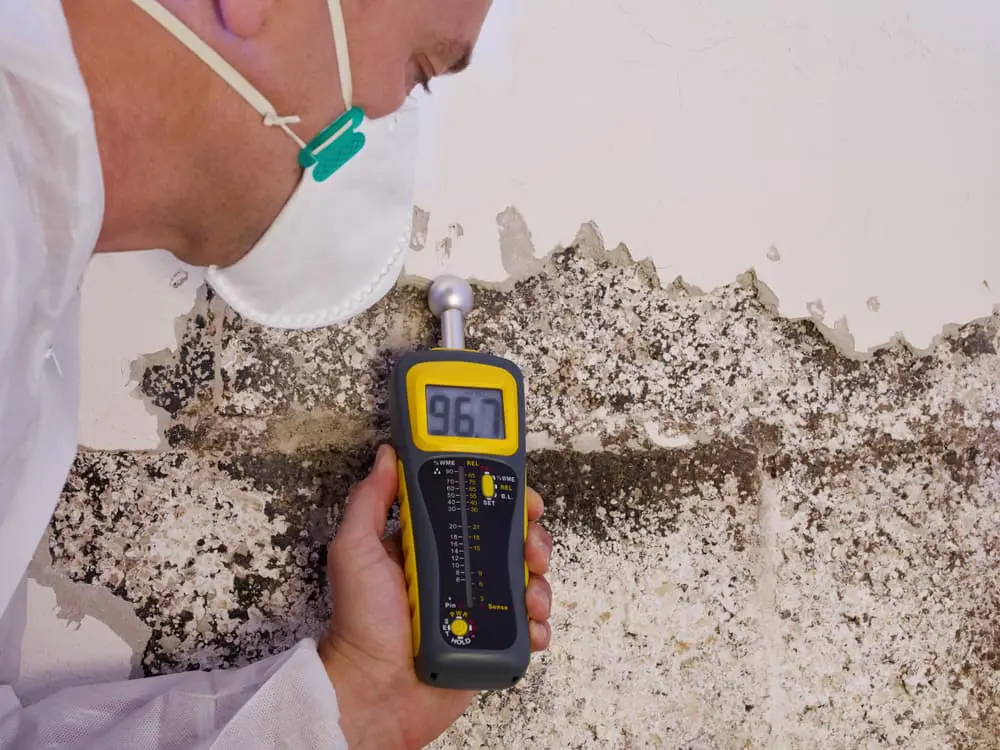
Swab testing is a targeted and versatile method used during mold inspections to collect samples directly from surfaces—especially in areas where other testing methods may be difficult to use. It’s commonly applied to confirm suspected mold growth and evaluate contamination in tight or hard-to-reach spaces.
What Is Swab Testing?
Swab testing involves using a sterile cotton or synthetic swab to gather a sample from a specific surface. The swab is gently rubbed across the area of concern, collecting mold spores and microscopic particles. The sample is then sealed and sent to a laboratory for analysis.
Depending on the testing approach, the lab can confirm the presence of mold, identify the species, and in some cases determine whether the mold is actively growing.
When Is Swab Testing Used?
Swab testing is particularly effective when:
- Surfaces are uneven, dusty, or textured
- Samples are needed from tight or confined areas such as vents or corners
- There is visible staining or residue that needs verification
- Specific materials must be tested without causing damage
It is often used on HVAC components, furniture, fabrics, and other delicate or irregular surfaces.
Benefits of Swab Testing
Swab testing provides several key advantages:
- Precise, location-specific sampling
- Flexible use across a wide variety of surfaces
- Minimal impact or disruption to the property
- Ability to detect viable mold when cultured in a lab
This makes it an essential tool when inspectors need detailed, accurate information about a particular area of concern.